
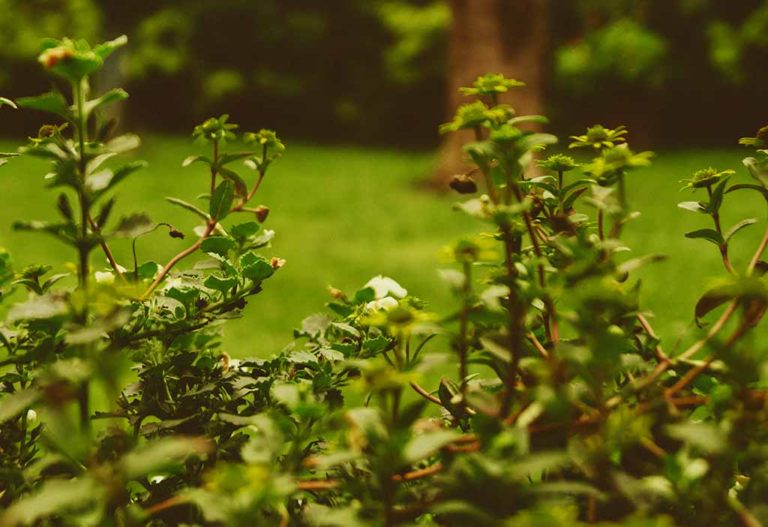
You start a garden to unwind. Then you plant too much, fall behind, and the garden becomes one more thing you are failing at.
That is the trap.
Gardening genuinely lowers stress, but only when you let it stay easy. Done one way, a garden is a place to slow down. Done another way, it turns into an extra chore.
The difference is not skill. It is scale.
The calm is real, and it has been measured
This is not just a nice idea. Researchers set participants a deliberately stressful task, then measured them in a study published in the Journal of Health Psychology. They then spent 30 minutes either gardening outdoors or reading indoors.
Both groups settled down. But the gardeners’ levels of cortisol, the body’s main stress hormone, dropped further. Their mood came all the way back, while the readers’ kept sinking.
Following that, Preventive Medicine Reports published a review spanning 22 studies that pointed the same way. Gardening was linked with less anxiety and depression and more life satisfaction.
So the benefit is real. The catch is that it depends on how you garden, not just that you garden.
Start smaller than feels exciting
The garden center is designed to make you overreach. You walk in calm and walk out with a trunk full of plants you now owe time to.
Start small. An overplanted garden becomes one more source of stress, not relief.
For a first season, that means:
- A few pots, or one small bed you can weed in ten minutes
- Three to five plants, not a flat of twenty
- One type of thing you actually like, not a sampler of everything
You can always add more in a month. Cutting back once you have gone too far takes more discipline.
Pick plants that forgive you
A plant that dies the first time you forget it is a plant that taught you to feel like a failure. Skip those at the start.
Pick plants that are hard to kill. Herbs like mint and rosemary, marigolds, a pot of lettuce, a snake plant on a windowsill. Things that shrug off a missed watering and keep going.
A basic kit is enough too. You do not need a shed of gadgets, just a hand trowel, a watering can, and gloves.
If you want a starting point, you can compare beginner garden tool sets on Amazon and stop there.
A note on the links: a few of them are Amazon affiliate links. Anything bought through one sends a small commission this way, and costs you nothing extra.
Let good enough be good enough
Here is the quiet rule that keeps a garden relaxing.
A few herbs you actually use beats a heroic vegetable plot you dread weeding.
A slightly wonky row is fine. Some plants will sulk.
That is gardening, not a verdict on you.
When the goal is calm, “thriving” and “tidy” matter far less than “still enjoyable.”
Make it a ritual, not a task
The people who get the most peace out of a garden visit it in small, unhurried doses. Not marathon weekend sessions. Little and often:
- Ten or fifteen minutes with your morning coffee
- A slow walk around the pots after work to see what changed
- Hands in the soil with your phone left inside
The garden does not need a free Saturday. It needs you to show up briefly and often, with nothing to prove.
Start there, keep it small, and the garden does the rest. If you want the deeper why behind all this, it helps to understand whether gardening can really reduce stress levels.
It also helps to remember not to take it all too seriously.
One honest note. Gardening can genuinely help you feel calmer, but it is not a treatment for anxiety or depression.
It is not a substitute for care from a professional. As a small daily way to slow down, though, few things are easier to begin.