
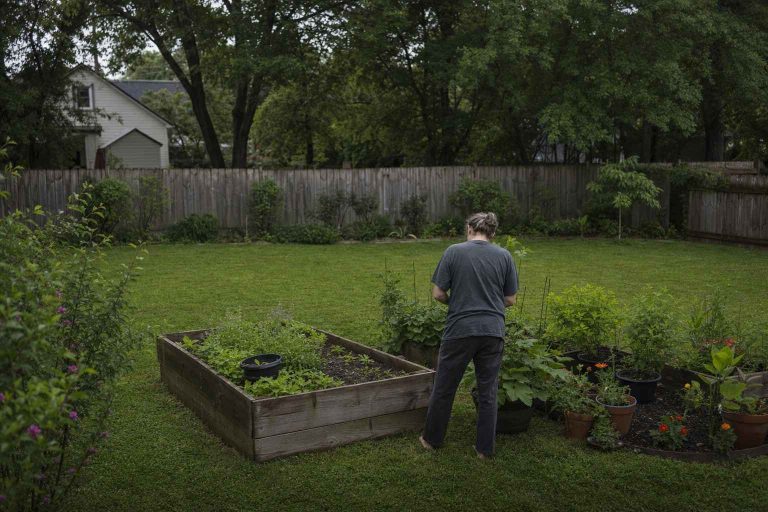
There is a version of gardening that actually relaxes you.
It is quiet, finishable in one sitting, and leaves you feeling like you did something instead of like you are behind.
A small garden is that version. A big one often is not.
The trap is easy to fall into
You want to garden for the calm of it. So you plan a proper garden, maybe a raised bed or two, a few different things to grow, a proper setup.
Then the work starts piling up. The weeding does not end. Plants need attention at inconvenient times. You visit the garden and instead of relief, you feel the weight of what you have not done.
At that point it is not a garden anymore, just an obligation with dirt.
An overplanted garden becomes one more source of stress, not relief. The size is the problem, not your effort.
Small gardens are finishable
This is the part people underestimate.
With a big garden, you are always mid-task. There is always more to do, something that needs doing before the weather turns, a job you did not get to last weekend. The to-do list never clears.
With two or three pots, or a single small bed, you can finish in one session. You can water everything, pull the one weed that appeared, and step back knowing it is done.
Finishing feels good. That is not a small thing.
That sense of completion is part of why gardening done the relaxing way actually lowers stress rather than adding to it. Scale is how you keep it that way.
A small garden is cheaper to start
Starting cheap keeps the stakes low, and low stakes keep the hobby fun.
There is another pressure a big garden creates before you even get the soil down: cost.
Seeds, compost, raised bed timber or planters, tools, netting, irrigation if the summer runs dry. It adds up fast. Spending more than you intended on a hobby that was supposed to be relaxing starts things off on the wrong foot.
Start with three pots. A bag of multipurpose compost, a few herb seedlings from a grocery store, and a watering can.
That is all. You can look at starter planter kits on Amazon if you want a simple beginning and nothing more elaborate.
A note on the links: a few of them are Amazon affiliate links. Anything bought through one sends a small commission this way, and costs you nothing extra.
The small version is cheap enough to be low-stakes, which means a bad season does not sting.
Small gardens are easier to succeed at
A beginner gardener with a big plot has many more chances to fail, in many more visible ways.
A plant that struggles, a corner that gets too much shade, a section that dries out because it is too far from the tap.
Three forgiving plants in good pots on a sunny step? Much harder to mess up.
Choose forgiving, low-maintenance plants so a setback never feels like failure. Mint, chives, marigolds, a pot of lettuce. Plants that tolerate a skipped watering without missing a beat.
Success matters here. A garden that grows and does not die is a garden you will return to, and returning to it is where the real calm accumulates.
You are allowed to keep it small on purpose
This is worth saying plainly.
There is no requirement to expand. A garden does not have to grow with your confidence. The pots are fine. Three pots next year, the same as this year, is completely fine.
A small garden you enjoy beats a large one you endure. Nobody is keeping score.
If you want to understand what the calm is actually doing, the research on whether gardening reduces stress is worth reading. It shows that even short sessions of light gardening genuinely move the needle.
There is no need to earn the benefit with a bigger plot.
Start smaller than feels exciting
The garden that stays a pleasure is the one you can manage without guilt on a normal week.
Most people’s instinct when they start a new hobby is to go all in. Resist that for this one.
An average week, not a generous one. That is what you are sizing for. That is a small garden. It is enough.
A short note: gardening can support how you feel, but it is not treatment for anxiety, depression, or any other health condition. It sits alongside care, not instead of it.
Consider this general background on gardening and wellbeing rather than medical guidance. Gardening benefits most people without being a treatment, so ongoing low mood is best brought to a doctor.