
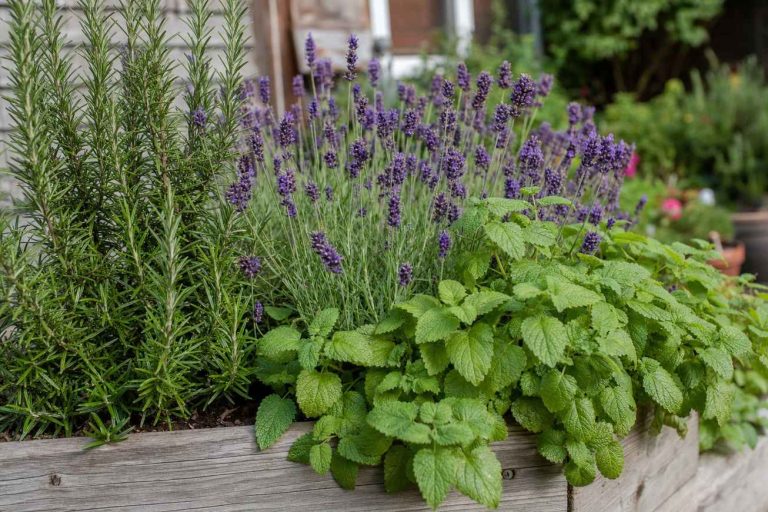
Brush a sprig of rosemary between your fingers. Something in your shoulders lets go, just slightly.
That tiny shift is scent doing its quiet work. Not a whole garden. Just one smell, right when you needed it.
Crush a mint leaf while you water. Walk past a lavender bush on the way to the car.
Small moments like that can do more for your mood than an hour spent staring at a border, trying to make it look right.
Scent pulls your attention into the present in a way sight alone rarely does. You cannot half-notice a strong smell.
It arrives. You register it. For a second, your mind has somewhere to land other than your inbox.
Why fragrance works differently
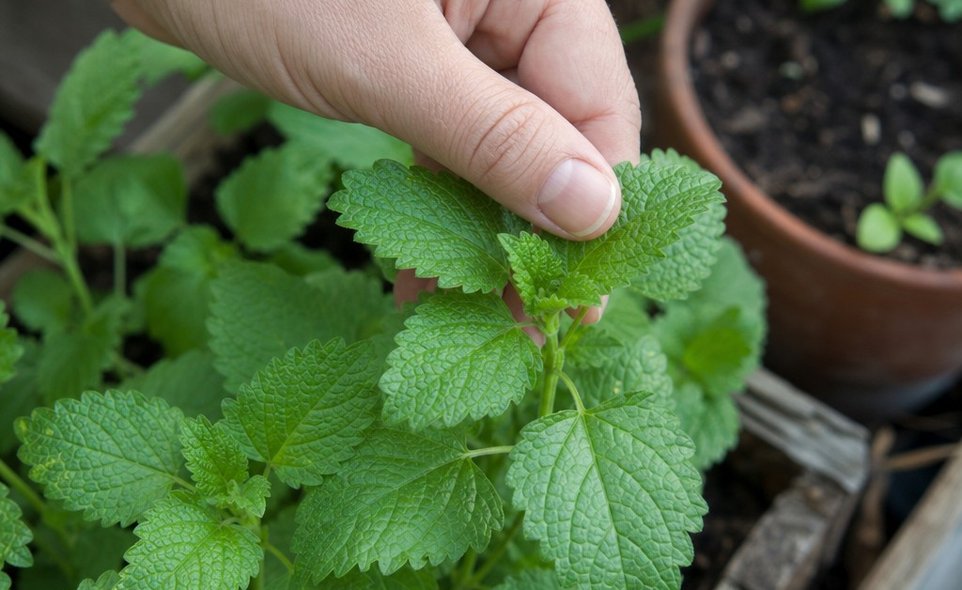
Sight lets you scan and drift. Scent does not really allow that.
A smell reaches you directly. It asks for a response, even a small one.
A pause. A breath. That is often enough.
That is part of why gardeners often describe brushing a herb, or standing near a flowering vine, as the moment a stressful day actually breaks.
A few minutes outside with your hands busy beats one more hour on a screen.
Brushing a leaf, snapping a stem, or just standing near a pot of lavender counts. None of it needs a task list.
This is not a claim that any single scent treats anxiety.
But the broader calming effect of gardening has been measured in controlled research, not just one smell in isolation.
The sensory side of it, including scent, seems to be part of why time in the garden feels restorative rather than like another chore.
Where to put a scented plant so you actually notice it
Placement matters more than variety here.
A fragrant plant tucked at the back of a border does very little for you. You need to walk past it, brush it, or sit near it for the scent to register.
A few reliable spots:
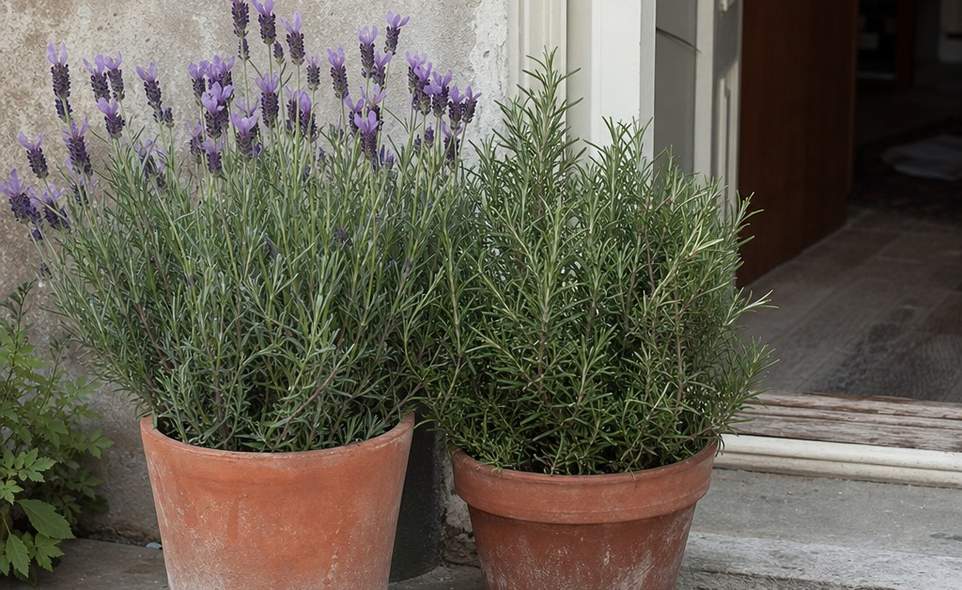
- By the door you use most. A pot of lavender or rosemary at the entrance means you catch the scent daily, coming and going.
- Near a seat. Somewhere you actually sit for five minutes, so warmth releases the fragrance while you are still.
- Along a path you walk. Anywhere your leg or hand brushes the plant as you pass.
- Near an open window. For a vine like jasmine, close enough that a warm evening carries the scent inside.
You do not need a large garden for any of this.
One well-placed pot does more than a whole bed planted somewhere you never go.
Seven fragrant, forgiving plants to start with
These are chosen because they smell good and ask little in return. None of them punish a missed watering.
- Lavender. Full sun and soil on the dry side. Barely needs watering once it settles in. Brush the flower spikes for the classic scent.
- Rosemary. Similarly drought-tolerant and happy in a pot. Doubles as a kitchen herb, so nothing goes to waste.
- Mint. Grows fast and forgives neglect, but keep it contained in its own pot or it will spread through the bed.
- Lemon balm. A relative of mint with a bright, citrus scent when the leaves are brushed. Tolerates some shade and spreads easily, so a container suits it too.
- Jasmine. Grown for the evening scent alone. Give it something to climb near a seat or a window and let it do the rest.
- Scented geranium. Grown for its leaves, not its flowers. Varieties smell of rose, mint, or citrus depending on which you pick. Likes sun and a pot that dries out between waterings.
- Chamomile. Low and spreading, with an apple-like smell when the foliage is brushed. A gentle choice near a path edge or a seating area.
Any of these can sit in a single pot by a door or a seat and start giving off scent within a season.
If several of those sound appealing, it is worth reading about other forgiving plants for a first garden before you commit to a full list.
Some gardeners like to start with a fragrant herb starter collection to get two or three going at once, which keeps the early decisions simple.
Keep the planting small
It is tempting to want one of everything on that list.
Two or three scented plants are enough, as long as they sit somewhere you will actually walk past or sit near.
That beats eight plants scattered around a bed you rarely visit.
A single pot of lavender by the door that you brush every day beats a border full of fragrant plants you forget is there.
For a wider mix of textures and scents, these calming, low-effort plants are worth a look too.
A note on limits: fragrant plants are a pleasant, low-cost habit, not medical treatment. If you are managing real anxiety or depression, treat time in the garden as something that sits alongside proper care, never instead of it.
A pot of lavender is not a substitute for support you actually need.