
A snake plant tolerates low light and a lot of neglect, and what kills it is too much water.
Dryness is the setting this one prefers. If you forget to water it for a few weeks, it copes. If you water it every Sunday out of habit, the roots can start to rot.
How little water it wants
University of Illinois Extension, the University of Illinois’ public gardening advice service, is direct about it. Over-watering, it says, is the main reason for failure.
Its rule: let the soil dry completely between waterings.
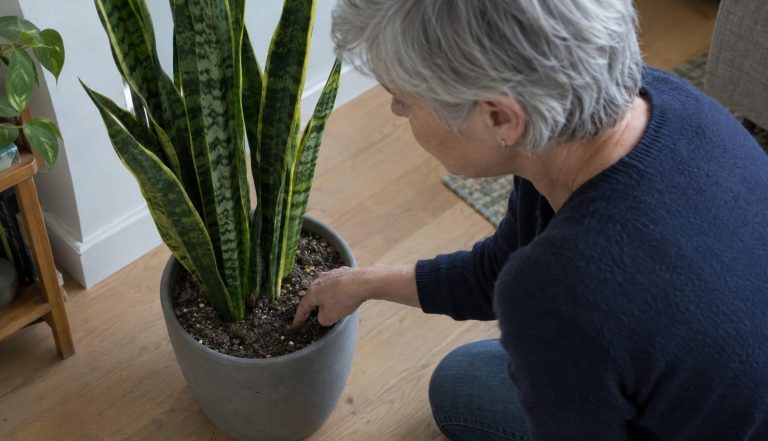
Push a finger two inches into the mix. If it is dry down there, it probably needs water. If it is not, wait.
Illinois Extension’s watering advice also says to water when the plant needs it, not by the calendar. Pot size, light and temperature all change how fast the soil dries.
When you do water, soak the soil and let the extra drain into the saucer.
Then empty the saucer.
Illinois says not to leave the pot sitting in a saucer of water.
North Carolina State Extension, North Carolina State University’s public gardening advice service, puts it in seasons:
- Spring to autumn: let the soil dry between waterings.
- Winter: water only every one to two months.
Light, from dim to bright
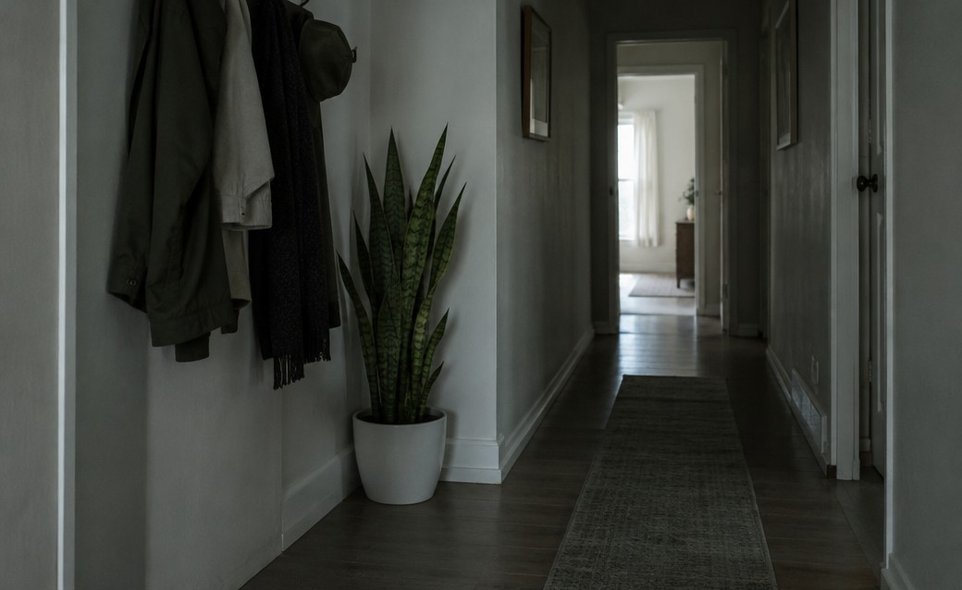
Illinois Extension says the plant will grow in any light from a dim interior to full sun.
NC State, in its plant database, suggests direct sun for part of the day, 2 to 6 hours. It says the plant tolerates very low light.
A dim corner will not kill it. Light changes how often a plant needs water, so check the soil there before you pour.
NC State tags it easy to grow and low maintenance, and it is one of the houseplants that suit a calm home.
Temperature is easy too. NC State says it tolerates cool temperatures around 50 degrees. Illinois adds that it likes moderate to warm rooms and low humidity.
The common kinds
You will see several looks on the shelf.
NC State lists 14 cultivars (named varieties). It now calls the plant Dracaena trifasciata, formerly Sansevieria.
- Laurentii: dark green leaves with zigzags of lighter green and yellow edges.
- Hahnii: a dwarf plant that forms a short, funnel-shaped rosette.
- Moonshine: silvery-gray leaves with light green blotches.
Size differs by source.
Illinois describes erect leaves 18 to 30 inches tall, plus a variety with four-inch leaves in a rosette. NC State says leaves can reach up to 4 feet long.
The pot and the mix
Illinois Extension says to plant it in regular potting mix. No special blend is needed. NC State asks for well-drained soil.
Unglazed clay pots dry faster. Illinois says plants in unglazed clay need water more often than those in plastic, because clay is porous.
What the leaves are telling you
What each change usually means:
- Soft, mushy leaves: suspect too much water and root rot. NC State says the roots will rot if the plant is overwatered, and Illinois names over-watering as the main cause of failure.
- Shriveling leaves in winter: the plant needs a little water. Illinois says to water just enough in winter to keep the leaves from shriveling.
- Wilting leaves: check the soil before you reach for the can. Illinois notes that wilting often means a plant needs water, but sometimes it is a symptom of over-watering.
- Firm leaves and damp soil: leave it alone.
Check the soil first, then decide. A wilting leaf alone cannot say which problem you have.
If you are unsure, here is how to tell an overwatered plant from an underwatered one.
NC State also says to monitor for mealybugs and spider mites. It otherwise rates the plant as having no significant problems.
Repotting and new plants
Do not rush to repot.
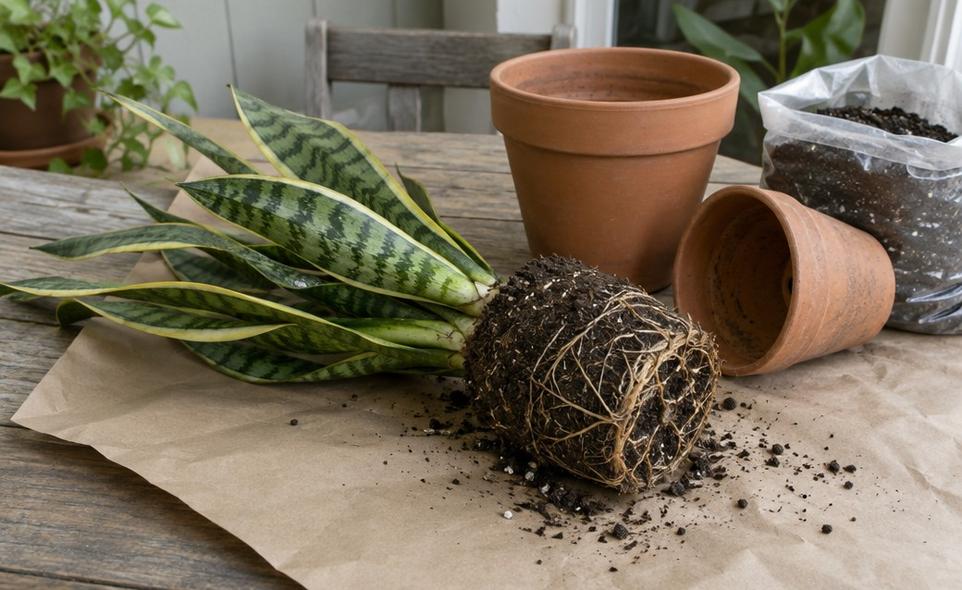
Wait for a sign. Illinois Extension lists signs such as: roots growing through the drainage holes, roots on the soil surface, a pot full of roots, or a plant that wilts between normal waterings.
Repot in spring or early summer, when the plant is actively growing. Knock it gently out of the pot and look at the roots. Then replant in fresh potting mix at the same depth it grew before.
To get a new plant, NC State recommends division, which means splitting a clump into separate plants.
One safety note. NC State rates the poison severity as low.
It still lists the plant as a problem for dogs and cats, with vomiting and nausea among the symptoms if eaten. The sap can also irritate skin.
Winter
In winter, water only every one to two months, as NC State advises, and check for shriveling leaves before each watering.