
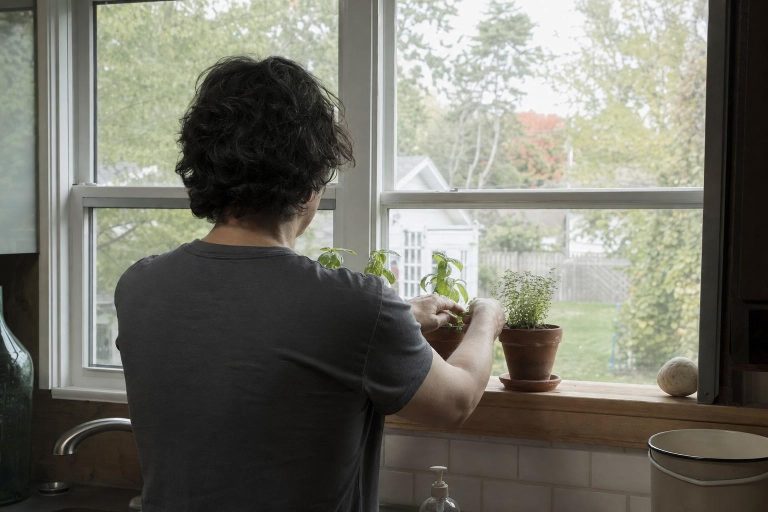
Gardening asks very little of a beginner: a little time, a little space and some patience.
You do not need a yard, and you do not need experience. A windowsill or a few pots on a step is enough to find out whether you like it.
What you get back is a slow pastime that keeps your hands busy, with nothing to finish and nobody to answer to.
It can also turn into a chore if you take on too much, and starting small prevents most of that.
What gardening gives you as a hobby
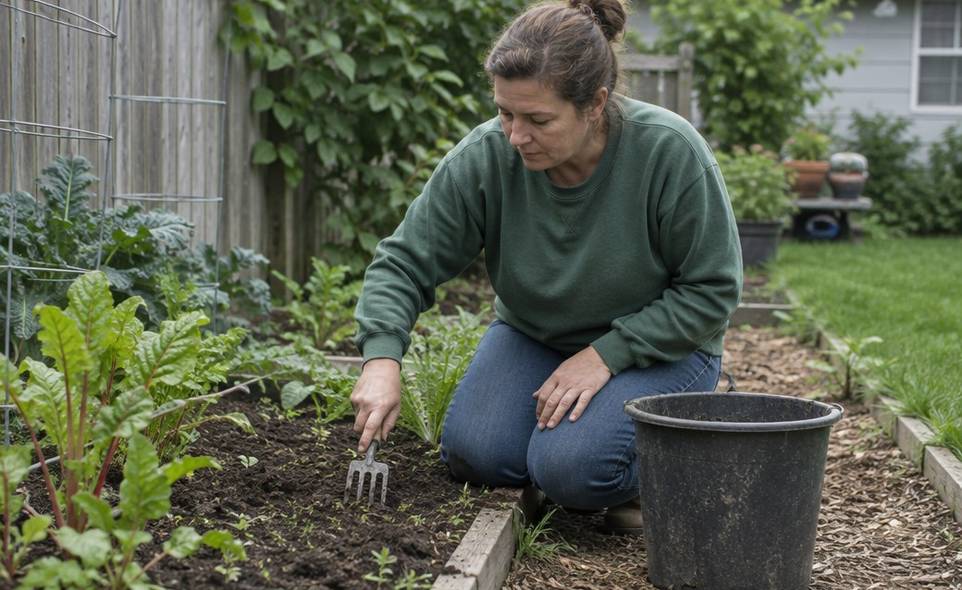
A study in the Journal of Health Psychology, by Van den Berg and Custers, looked at stress in the moment.
Thirty allotment gardeners, people who garden on their own plot, did a stressful task. Then they were randomly assigned to one of two things:
- 30 minutes of gardening outdoors
- 30 minutes of reading indoors
Cortisol, a hormone measured in saliva, fell in both groups. It fell significantly more in the gardening group.
Positive mood was fully restored after gardening, while it kept getting worse during reading.
Cortisol fell further after 30 minutes of gardening than after 30 minutes of reading.
The gardeners were people who already garden, and the stress was short term. Treat the result as an encouraging sign, not a promise.
A wider view comes from Soga and colleagues in Preventive Medicine Reports. They pooled 22 studies published after 2001, with 76 comparisons between a control group and a treatment group.
Controls were people before gardening or non gardeners. Treatment groups were people after gardening or gardeners.
Pooled, gardening was linked with better health outcomes. The outcomes the studies reported included:
- less depression and anxiety
- more life satisfaction and quality of life
- more sense of community
These are links across studies, not proof that gardening causes any of them.
If stress is what draws you, whether gardening can reduce stress levels looks at the same two studies. It also covers why gardening may calm a busy mind.
What it asks of you
The hobby asks for three things, and each can stay small.
- Time. Ten quiet minutes some mornings is a workable start. The plant sets the pace, so a slow week costs very little.
- Space. A windowsill, a few pots on a step, or one small bed you can manage. Only a few ordinary things are needed to start container gardening, and most of the rest can wait.
- Attention. A look at the soil and a glance at the leaves. Plants that are hard to kill, such as mint, marigolds or a snake plant, shrug off a missed watering.
None of the three needs a garden, a free weekend or any experience.
Who it suits, and who may not enjoy it
It suits people who like slow work with their hands and enjoy being outside. If your days have opened up, gardening can fit a slower chapter of life without adding a schedule.
It may not suit you if you want quick results or a tidy outcome every time.
Some plants will sulk, and some will not make it. That is part of the hobby, and a lost pot of lettuce teaches you something.
Too much garden is what turns a break into a chore.
An overplanted bed becomes one more thing to keep up with. Keep the first season small, and the hobby stays a break rather than a second job.
A pot of basil sits alongside proper care for anxiety or low mood, never in place of it.
A first step
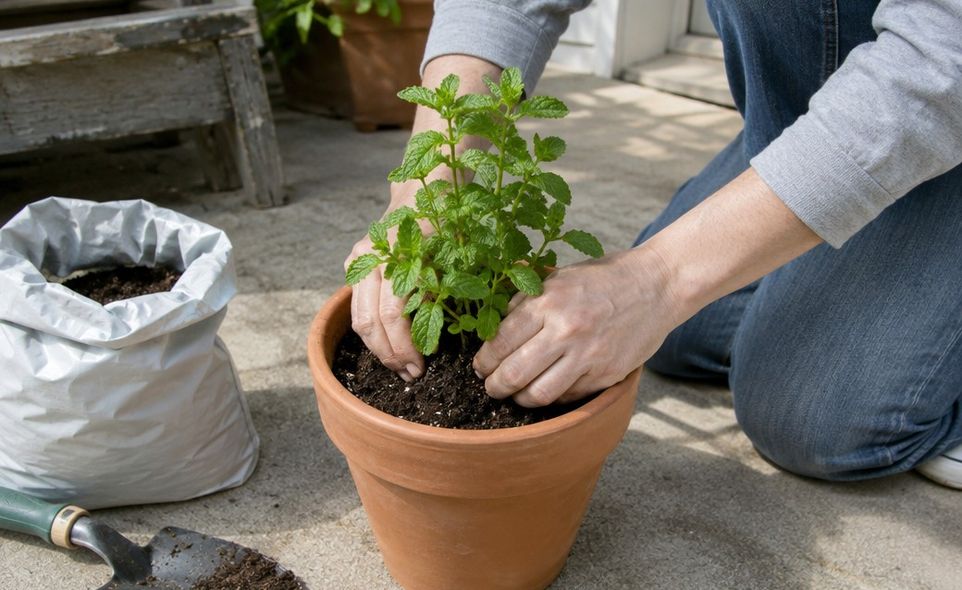
Start with one pot, not a whole bed. That is enough to learn whether the hobby is for you.
Use potting mix rather than soil dug from the yard, and make sure the pot has a hole in the bottom. Mint is a forgiving first plant, and it does best in a pot of its own.
Fill a pot with potting mix and plant one mint. Set it on a step or windowsill you pass every day, and check on it tomorrow morning.
If you are dealing with anxiety, depression, or another health condition, please speak with your doctor.