
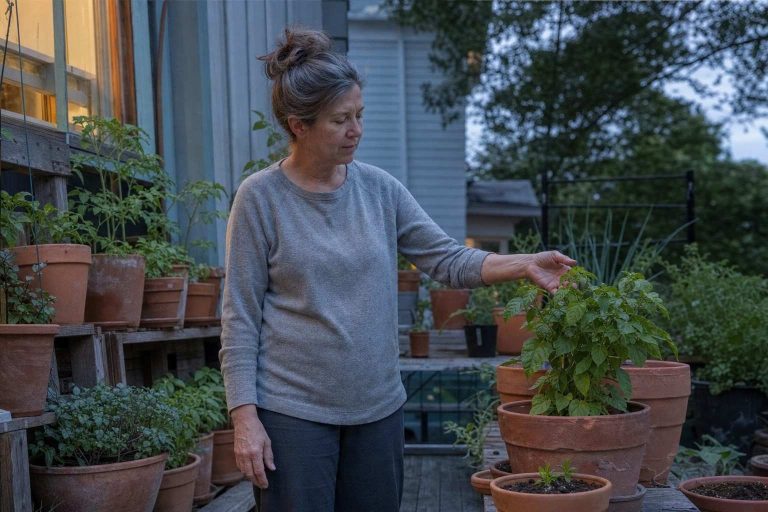
A study of 62,098 adults found something plain and useful. People who gardened were less likely to report multiple sleep problems than people who did not exercise at all.
If you are lying awake more nights than you would like, that finding is worth ten minutes of your attention.
What the study actually looked at
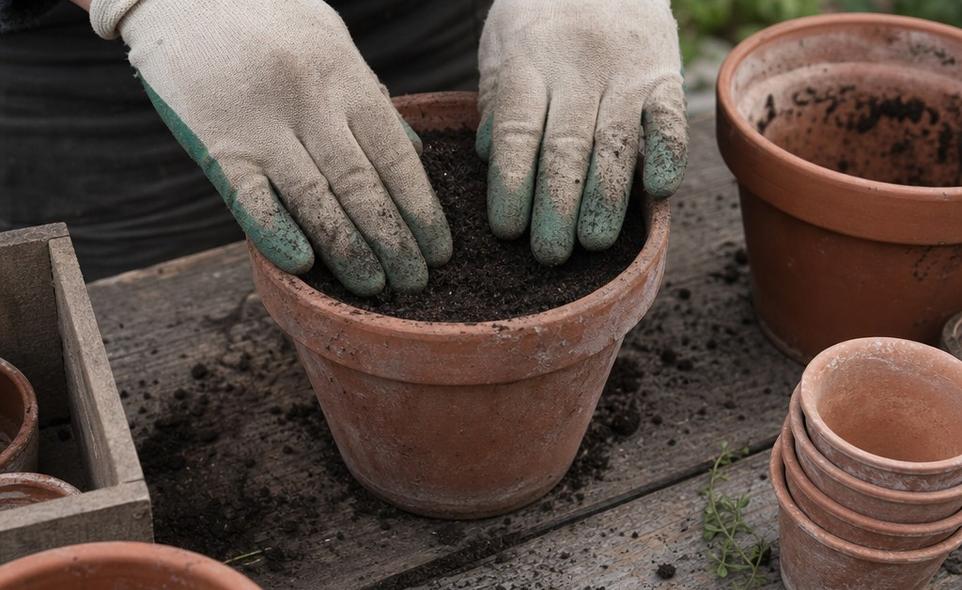
Researchers writing in the Journal of Affective Disorders in 2024 analyzed data from a large United States health survey. The 2017 Behavioral Risk Factor Surveillance System asked over 62,000 adults about their sleep and their activity.
Of those:
- 16,707 said they did not exercise
- 4,243 said gardening was their exercise
- The remaining 41,148 people did some other kind of exercise
Everyone was also asked about sleep.
Short sleep, long sleep, probable insomnia, daytime sleepiness, and sleep apnea all counted.
The researchers combined these into one measure: multiple sleep complaints, meaning two or more problems at once.
Gardeners had noticeably lower odds of multiple sleep complaints than people who did not exercise.
The adjusted odds ratio was 0.58, against 0.67 for other kinds of exercise.
More time in the garden tracked with fewer sleep problems.
In plain terms, gardeners did at least as well as people who ran, swam, or lifted weights.
The study did not set out to rank one form of exercise against another, so read that as reassurance, not a scoreboard.
The gap that matters is the one against doing nothing at all.
There was also a dose pattern. Adults in the highest third for how much they gardened had an adjusted odds ratio of just 0.45 for multiple sleep complaints. That was compared with people who did not exercise at all.
More time in the garden tracked with fewer sleep problems.
One honest caveat belongs right here, not buried at the end. This was a cross-sectional survey.
It shows an association, not proof that gardening causes better sleep. People who already sleep well might simply have more energy left over to garden in the first place.
Why gardening might help you sleep
Nobody has proven exactly why gardening and better sleep travel together. A few plausible reasons show up again and again.
Gardening is gentle, low-impact activity.
Digging, weeding, and carrying pots use your body without the intensity of a workout. Regular movement is one of the standard pieces of sleep advice.
It also gets you outside.
Daylight exposure and a steady daily rhythm are old, well-established parts of sleep hygiene. Time in the garden is an easy way to get both without trying.
Stress is the third piece, and it is where the broader case for gardening and stress relief gets its clearest single study.
Gardening is gentle, low-impact activity.
Researchers put a group of gardeners through a stressful task, then split them in two.
One group gardened outdoors for 30 minutes. The other read indoors for the same 30 minutes.
Cortisol, the body’s main stress hormone, fell in both groups.
Gardening lowered cortisol significantly more than indoor reading did.
Mood told the same story: the gardening group’s positive mood recovered fully, while the reading group’s mood kept sliding.
None of this means gardening is a sleep treatment. What settles you is the slowness and the busy hands, not anything the garden produces. That may be exactly why it also loosens the grip of a wired, wakeful evening.
A gentle way to try it in the evening
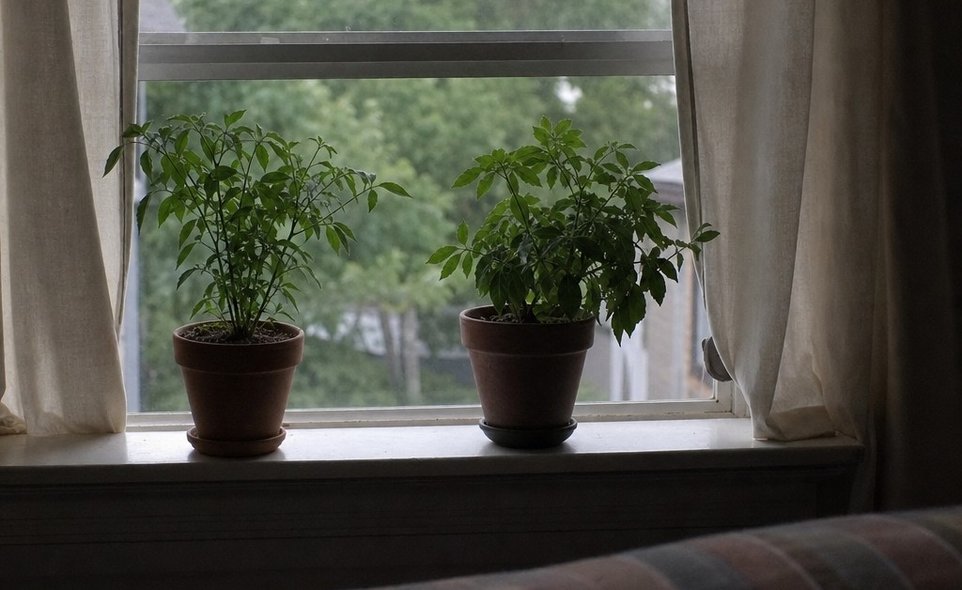
The study counted total time spent gardening, not how regular anyone was about it.
More total gardening time tracked with fewer sleep complaints in that data.
For most people, a little most days is the easier way to add that time up.
A quarter of an hour counts, and it doesn’t need a big plot or a free weekend. A short, calm stretch in the garden before bed is enough to notice.
A simple version to try tonight:
- Water a few pots slowly, and notice the smell of wet soil rising as the evening cools
- Deadhead a spent bloom or two
- Pull one or two weeds you have been meaning to get to
- Pause for a moment and simply notice what is growing
This is close to a calming after-work wind-down routine, just shifted later, nearer to bedtime. If ten or fifteen minutes feels like plenty, it is.
Keeping to a short daily routine is plenty on its own, with no need to match any particular study’s numbers.
One honest limit
Gardening is not a treatment for insomnia or any other sleep disorder, and no single study proves it fixes sleep for everyone. What the research shows is an association worth trying, not a guarantee.
If your sleep problems are severe, ongoing, or affecting your daily life, a hobby is not a substitute for care.
It is worth raising with a doctor, alongside practical advice on sleep and tiredness, if poor sleep keeps turning up night after night.
Time in the garden can help you feel better, but it isn’t a medical treatment. Think of it as a companion to care, not a substitute.
Tonight might be a good time to test a small version of this for yourself. Water a few pots before you turn in, and see how the night goes.
If it helps even a little, you have found a genuinely restful way to spend the last twenty minutes of your day. It is one you can return to most evenings without much effort at all.