
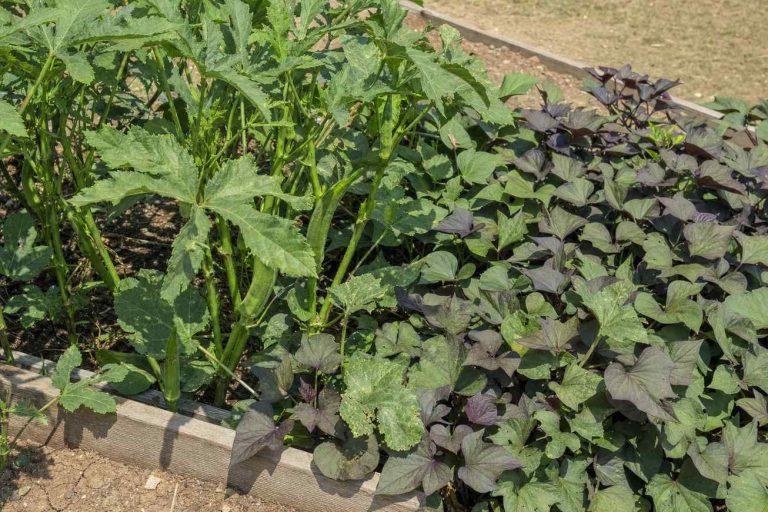
Carrots stall. Beets turn woody. Potatoes rot in the ground before they ever size up.
If a spring vegetable bed has ever fizzled out the moment real heat set in, that is not bad luck. Some vegetables simply give up once it gets hot and humid.
The plants that quit are the same ones every year.
Cool-season roots and greens thrive up north all summer. In a long, humid summer they stall the moment the heat settles in.
Picking forgiving plants for the season you are actually in matters more than picking familiar ones. There is a real list of vegetables built for exactly this weather.
The roots that give up first
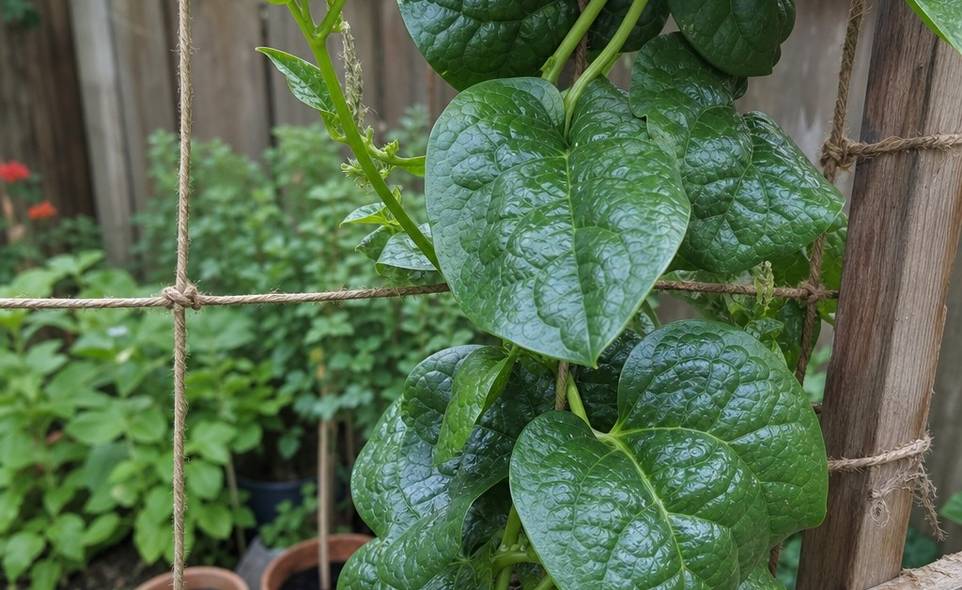
Carrots, potatoes, beets and turnips are staples further north. Plenty of gardeners plant them without a second thought in June.
In long, hot, humid summers, those same crops behave completely differently. According to Florida’s Extension service, all four cannot take real summer heat and are grown there as winter vegetables instead.
That is not something you did wrong.
It is the plant, not the gardener.
Root vegetables bred for cool soil do not become heat-tolerant just because the calendar says summer. Trying to push them through July is the fastest way to end up with a woody, bitter harvest.
Grow these roots instead
Swap the cool-season roots for ones that actually want warmth, and the same bed keeps producing.
These three roots are built for the heat your carrots hate:
- Sweet potato, a vine that thrives in the exact heat that stalls carrots
- Boniato, a relative of sweet potato popular in South Florida. Its white flesh is fluffier than a regular sweet potato, and it works as a straightforward substitute
- Cassava, also called yucca or manioc. It produces starchy tuberous roots you boil first, then bake, mash, or fry
None of these need cool soil to size up.
Sweet potato vines also do well in a container, which matters if you are starting a container garden rather than digging a bed.
Chayote, further down, is vigorous enough to want open ground or a raised bed with good drainage.
Greens that do not quit when lettuce does
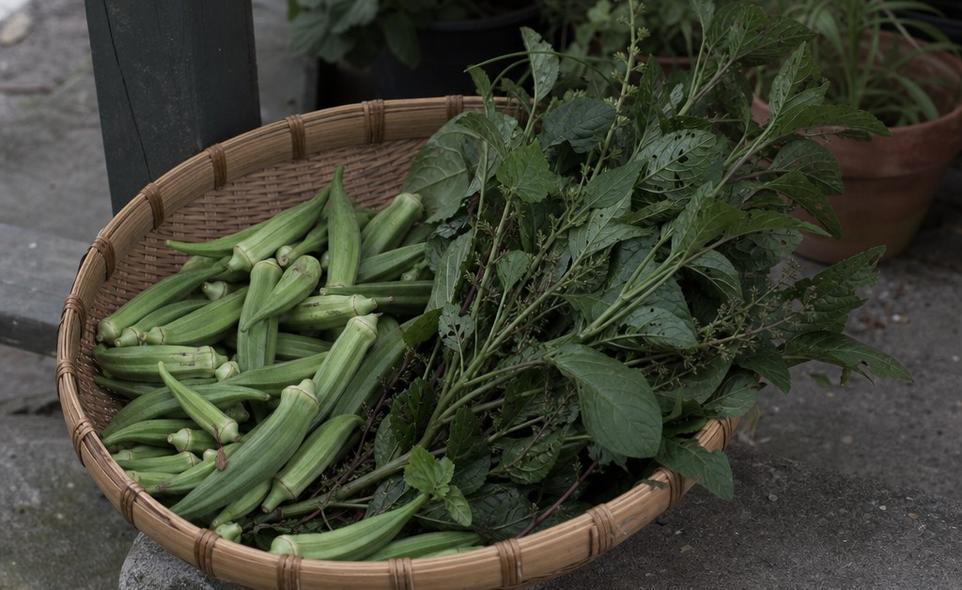
Lettuce and spinach are usually the first things to bolt once real heat arrives. Amaranth and tropical spinaches are just getting started at that point.
Amaranth greens, commonly eaten boiled, are genuinely at their best when the temperature climbs. So are the tropical spinaches, a loose group not botanically related to true spinach at all.
- Malabar spinach, a climbing vine, not a true spinach
- Okinawa spinach and longevity spinach, two more heat-loving substitutes
- New Zealand spinach, another non-true spinach that grows well through warm months
Established collards can also take the summer heat once they have gotten going.
Sweet potato leaves are edible too. That gives the vine a second job in the garden.
Between the two, you have a real replacement for the lettuce and spinach that would otherwise sit the season out.
Squash that actually wants the heat
Summer squash, the kind most gardeners grow every spring, does not thrive in Florida’s actual summer.
Tropical squashes do. Calabaza, Seminole pumpkin, long squash and chayote all keep producing once regular zucchini starts to sulk.
The zucchini that thrived every spring is not the same plant come July.
Fighting that is optional. Swapping to a tropical squash gets you the harvest without the fight.
Chayote in particular is a vigorous climber. Give it a trellis and room to run, and it rewards you for most of the season.
What actually causes trouble in the humidity
Heat is only half the problem. Rainy, humid summers bring their own pressure, mostly in the form of mold and mildew.
Look for varieties labeled disease-resistant or fungus-resistant when you are choosing seeds.
Seed catalogs and plant tags usually mark this with a short string of capital letters next to the variety name. Common problems worth watching for include Fusarium and Verticillium fungi, plus tomato yellow leaf curl virus.
Choose forgiving, low-maintenance plants so a setback never feels like failure. A resistant variety does a lot of that work before you have even planted it.
Nematodes are another summer pest. They are microscopic worms that attack vegetable roots and reduce growth and yield.
Soil solarization uses the sun’s own energy to heat the soil. It is a recommended way to knock nematodes back between plantings.
Check your own dates, not Florida’s
Every specific planting window in this article comes from Florida’s Extension service, and Florida’s calendar is not universal.
In its north Florida planting table, the University of Florida’s Extension guide lists okra for planting from late March through July. That window is built entirely around Florida’s own climate and frost dates.
Your own dates will look different, sometimes by weeks.
Every state runs a Cooperative Extension service, a free advice arm of its public university. A quick search for yours will get you planting windows built for your actual zone, not someone else’s.
If you are still finding your footing with any of this, it helps to start with easy plants for first-time gardeners, heat-tolerant or not.
If you only try one new thing this season, make it chayote.
It climbs fast and shrugs off the heat that stops regular squash cold. One established vine produces more than you expect, enough that you will likely be giving some away by late summer.