
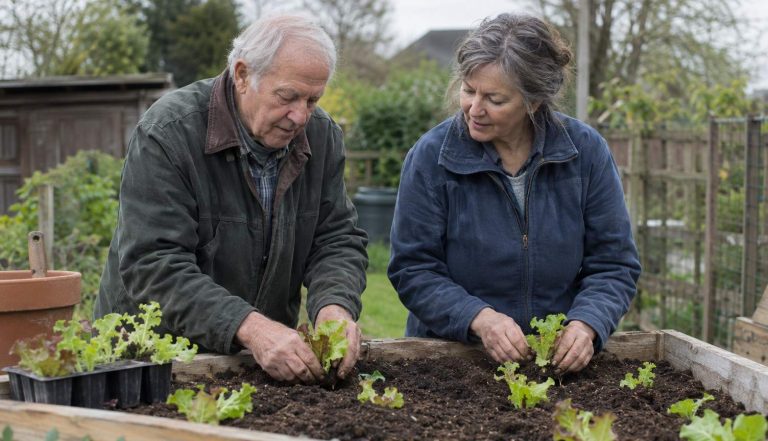
Horticultural therapy is gardening facilitated by a registered horticultural therapist as part of a treatment, rehabilitation or vocational plan.
That is the definition from the American Horticultural Therapy Association (AHTA), the US non-profit membership organization for the profession. By that definition, gardening on your own at home is not horticultural therapy.
It can still be a good habit. It just belongs in a different category.
What horticultural therapy means
AHTA’s definition has three parts:
- Horticultural activities, meaning activities with plants
- A registered horticultural therapist who facilitates them
- Specific goals within an established treatment, rehabilitation or vocational (work-skills) plan
AHTA adds that the process itself is the therapeutic activity, not the end product.
Horticultural therapists are professionals with specific education, training and credentials.
AHTA’s older credential, the horticultural therapist-registered (HTR), is no longer open to new applicants. Board certification (HT-BC) is the path forward for new ones.
AHTA names a second, related practice: therapeutic horticulture. Participants enhance their well-being through active or passive involvement in plant activities.
A registered horticultural therapist, or another professional trained in using horticulture this way, facilitates it to support program goals.
Both practices have someone trained running them.
AHTA lists aims such as improving memory and language skills, regaining lost skills, and building strength and balance during physical rehabilitation.
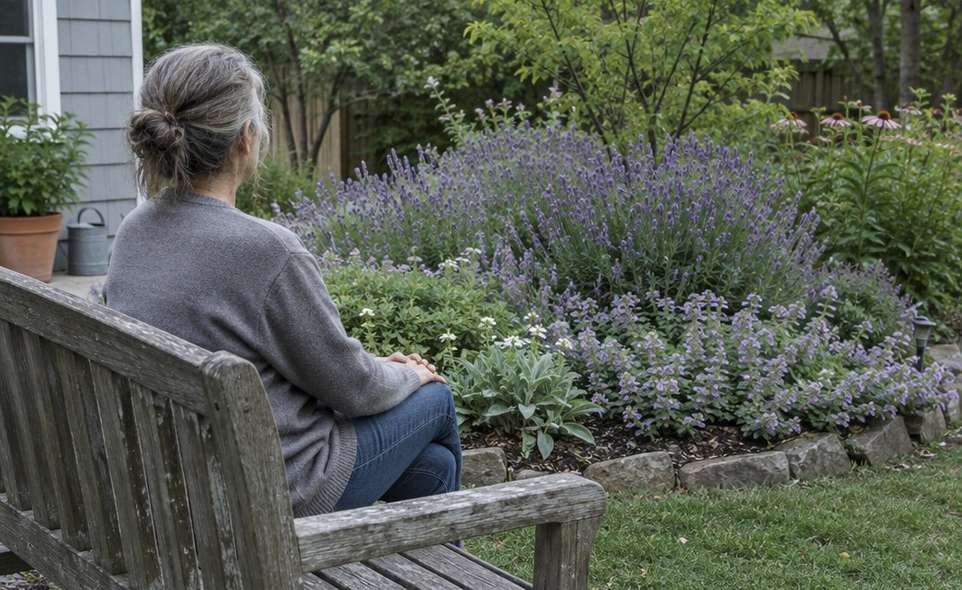
Therapy or hobby: the difference
| Horticultural therapy | Gardening at home | |
|---|---|---|
| Who guides it | A registered horticultural therapist | You |
| What frames it | An established treatment, rehabilitation or vocational plan | Whatever you decide: a break, a hobby, a few pots |
| What it aims at | Specific goals set within that plan | Whatever you want from it |
Nothing in AHTA’s definitions stops you from enjoying plants. They only describe what the words “horticultural therapy” cover, so you can use them accurately.
What the studies found
Two reviews help here. Both pool the results of earlier studies, which is what a meta-analysis does.
The first is the 2017 meta-analysis by Soga, Gaston and Yamaura in Preventive Medicine Reports. They searched in January 2016 and pooled 22 studies published after 2001, with 76 comparisons between control and treatment groups.
Control meant people before they gardened, or non-gardeners. Treatment meant people after gardening, or gardeners.
Most studies came from the United States, followed by Europe, Asia and the Middle East. The studies reported varied outcomes, such as:
- Less depression, anxiety and body mass index
- More life satisfaction, quality of life and sense of community
The pooled result was a significant positive effect of gardening on health outcomes.
The authors also found signs of publication bias, meaning studies with weaker results may be less likely to appear in print.
The positive effect remained after they adjusted for it with a method called trim and fill.
That review counted horticultural therapy and other gardening together, so it cannot be read as a verdict on therapy alone.
The second is a 2023 review in Frontiers in Public Health by Xu and colleagues. It looked only at horticultural therapy in older adults with depression. Its search ended on 25 September 2022.
The search yielded 7,366 studies. Thirteen were included, either randomized controlled trials or quasi-experimental designs. Together they involved 698 older people with depression.
The meta-analysis found significant effects of horticultural therapy on reducing depressive symptoms in these older adults.
The reviewers also compared formats:
- Care-providing settings did better than community settings
- Participatory activities did better than observational ones
- A course of 4 to 8 weeks might be the optimal length, compared with courses longer than 8 weeks
The authors’ recommendation is just as narrow. Older adults with depression, in care-providing settings, could get the most benefit from participatory activities for 4 to 8 weeks.
Where the evidence stops
Start with the design of the first review. It compared gardeners with non-gardeners, or people before and after gardening.
A comparison like that shows a link. It does not prove that gardening caused the difference.
Then look at who is in the second. The result describes older adults with depression in a research setting. It says nothing about younger adults, about people without depression, or about a pot of basil on a windowsill.
Neither review shows that home gardening treats anything, and neither promises that it will help any one person. If you live with a mental-health condition, that matters.
For a different kind of evidence, a short experiment on how one gardening session affects stress is described in whether gardening can reduce stress levels.
Borrowing the methods without calling it treatment
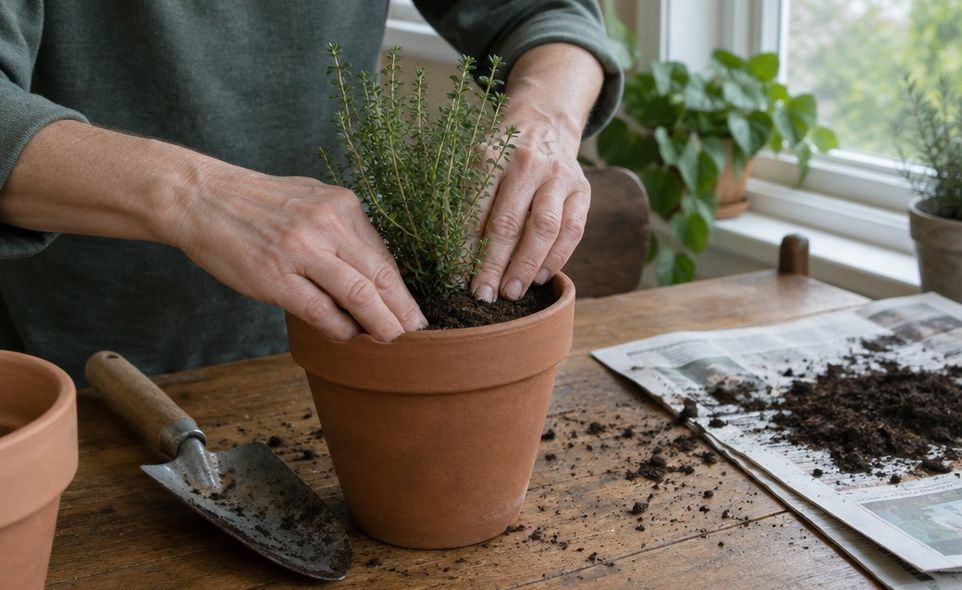
A few habits:
- Care about the doing, not the harvest. AHTA’s point that the process matters more than the product fits a home garden well.
- Use your hands when you can. The older-adult review found hands-on activities reduced depression more than watching did. AHTA’s description of therapeutic horticulture also includes passive involvement, so a quiet minute looking at your plants is fine too.
- Keep it regular. The authors of the first review close with the line that a regular dose of gardening can improve public health. That is a statement about populations, not a promise to you.
- Add other people if you like. Socialization is among AHTA’s listed aims, and sense of community was one of the outcomes in the first review.
Ways to put this into a home routine, such as leaving the phone inside and doing one task at a time, are laid out in mindful gardening techniques for stress relief.
The 4 to 8 weeks belongs to programs for older adults with depression in care settings. It is not a target for your own garden.
When to look beyond a home routine
A garden can be part of your week alongside medical care. It does not replace it, and nothing in these reviews says it does.
If you live with a mental-health condition, talk to your doctor or a qualified professional. Start there too if a low mood or worry lingers or gets in the way of daily life.
When gardening is meant to be part of a treatment or rehabilitation plan, look for a registered or board-certified horticultural therapist.