
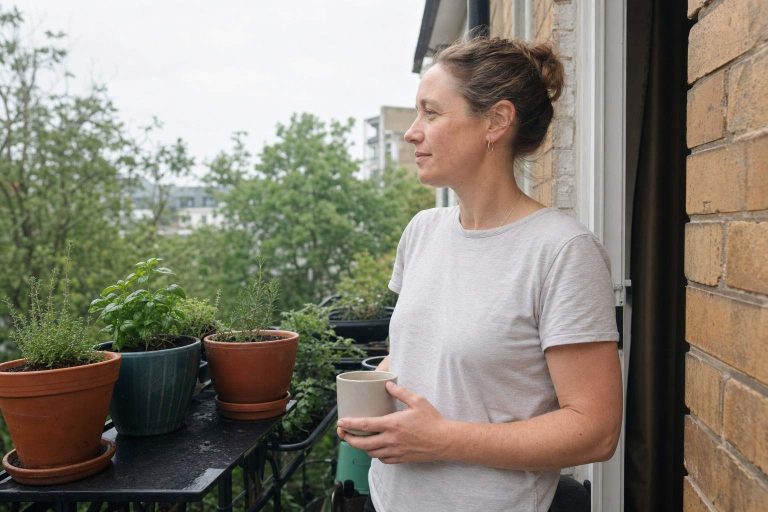
Most people assume gardening requires a big chunk of time they do not have.
They picture weekend digging sessions, elaborate beds, and a long list of things to remember. So they put it off. And the one thing that might genuinely take the edge off the week never gets started.
The calm garden most people want takes minutes, not weekends. The trick is knowing what “small enough” actually looks like.
Why small beats ambitious every time
When gardeners measure stress and gardening, the results are consistent. A 2010 study published in the Journal of Health Psychology (Van den Berg and Custers) tested this directly.
After a stressful task, 30 minutes of gardening lowered cortisol more effectively than 30 minutes of reading indoors. Cortisol is the body’s main stress hormone.
Thirty minutes.
Not a day. Not a project. A short session of hands-on attention to living things.
Becoming a dedicated gardener is not a requirement to notice the effect. You just need to show up for a few minutes.
Start with three pots, not a bed
If time is short, the worst move is planting a lot at once. A sprawling garden means sprawling obligations.
Three pots is a real starting point, not a placeholder. One herb you actually cook with, and mint is near impossible to kill. One low-maintenance flower like a marigold.
One that you just like the look of. That is a garden. It fits on a step, a balcony, or a kitchen windowsill.
If you want a starting point for containers, you can compare beginner planter pots on Amazon and stop at whatever is simple.
A note on the links: a few of them are Amazon affiliate links. Anything bought through one sends a small commission this way, and costs you nothing extra.
The plants that forgive a busy schedule
Time-poor gardening lives or dies by plant choice. Pick things that need you regularly and you will feel guilty every time life gets in the way. Pick forgiving plants and the garden stays pleasant.
Good choices for a low-attention start:
- Mint grows fast, tolerates neglect, and smells good when you brush it
- Marigolds shrug off a missed watering and flower anyway
- Lettuce in a pot is quick, edible, and does not need much space
- Snake plant or pothos (indoors) barely blink if you forget them for a week
Choose plants that forgive you, so a setback never feels like failure.
A plant that dies the first time you are too busy is just a plant that taught you what not to buy next time.
The five-minute routine that works
The people who keep small gardens going are not spending their evenings out there. They are doing this:
- A quick check in the morning while coffee is brewing: anything wilting, anything new?
- A brief water when the soil feels dry, not on a rigid schedule
- A minute to pull one weed, pinch off a dead flower, or just stand and look
That is it. Five to ten minutes, broken across the day if you want.
Fifteen unhurried minutes counts. A sprawling plot or an open weekend isn’t required either.
“Small and often” also turns out to be better for the plants. A brief daily check catches problems early. A long session once a month misses things.
Keep the bar low on purpose
The biggest risk in starting a stress-relief garden is turning it into an achievement to optimize.
There is no harvest target. There is no correct look. Some weeks you water more, some weeks less. Some plants will die, and that is ordinary gardening, not a sign you are doing it wrong.
Two pieces go further. One covers how gardening done the relaxing way keeps it from becoming a chore. The other asks whether gardening can really reduce your stress levels.
The short version is: the science supports it, and the bar to feel it is lower than most people think.
If you are dealing with anxiety, depression, or anything that feels bigger than a hard week, please speak with a professional.
The garden is a good habit to have alongside that, not instead of it.