
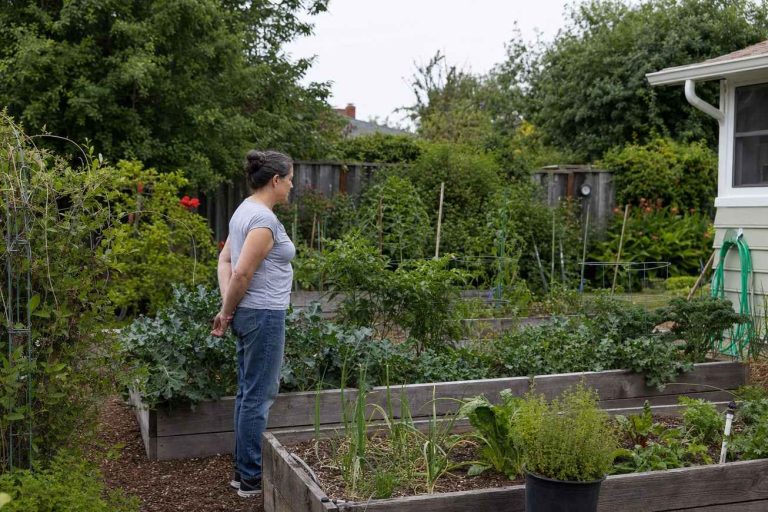
The house is quieter than it used to be. Weekday mornings have space in them that they never had before, and that changes what gardening can be for you.
There is no deadline, no boss checking in, no big project to prove anything. A few pots and an unhurried afternoon are enough.
This season asks less of you, not more
Retirement, an empty nest, or simply a quieter stretch of adulthood can leave you with hours you have not had in years. That extra time is not a task list waiting to be filled.
Some people miss the built-in structure a job or a busy household used to give them. A small garden can quietly hand some of that back, one watering can at a time.
Gardening fits well here because it never asks you to hurry. You decide how much of it you want, and the plant will not mind if you take a slow week.
You are not the first to feel pulled toward it once the days open up. It is worth a look at why so many people turn to gardening when life shifts.
The pull is common, and it holds up over time.
Start small, on purpose
If you have never gardened before, or it has been decades since you last did, that is a fine place to start from. Nobody expects expertise here.
A forgiving setup beats an ambitious one. Pick plants and a plot size you can actually tend, without it becoming one more obligation.
You do not need raised beds, a shed full of tools, or an irrigation system. A trowel, a bag of potting mix, and a sunny spot get you started.
A gentle starting list:
- A few containers on a porch, patio, or step
- Herbs like mint, basil, or rosemary that shrug off a missed watering
- Marigolds or zinnias for reliable, easy color
- One indoor pot if outdoor space is limited, or the weather is not cooperating
The calm is real, not just a feeling
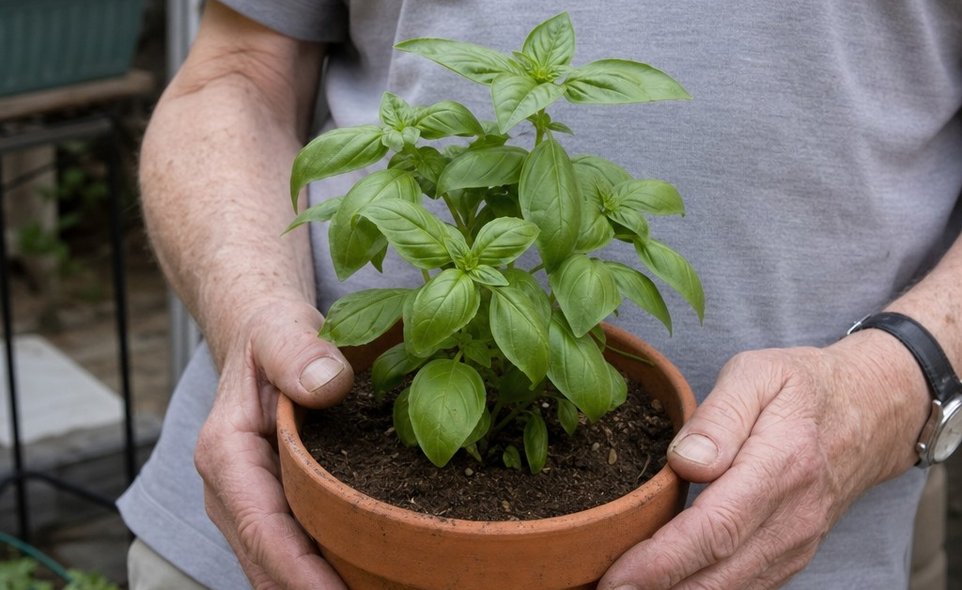
Feeling calmer with your hands in the soil is not wishful thinking. Researchers have tested this directly, tracking stress hormones and mood after gardening and comparing it with other quiet activities.
A look at whether gardening really reduces stress walks through what the studies actually found. The short version: it holds up.
A short, regular session is enough. You do not need a big commitment.
That matters most in a slower chapter, when the point is not output. It is simply feeling steadier by the end of an afternoon.
Let the garden set a rhythm
Gardening rewards a light routine more than one big push. Ten minutes checking on pots most mornings does more for you than an exhausting weekend once a month.
A simple rhythm to try:
- Water the pots before coffee, not after
- Pull a weed or two while you are already out there
- Deadhead a spent bloom if one catches your eye
- Sit for a minute and actually look at what is growing
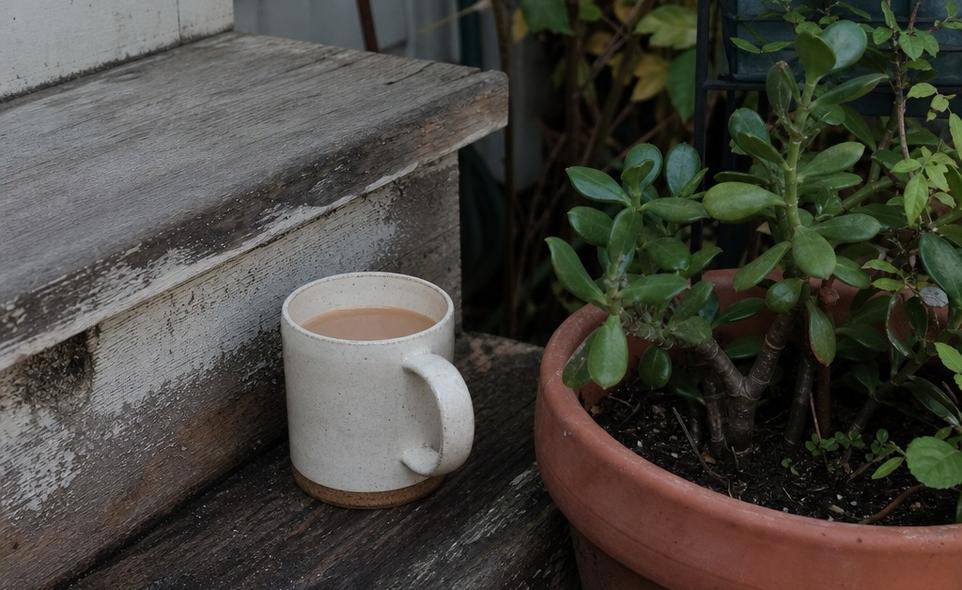
There is a particular kind of quiet that only shows up outside like this. Dirt on your hands, coffee going lukewarm on the step, the street still mostly asleep.
A few minutes outside with your hands busy beats one more hour on a screen.
That small routine adds up over a season. It supports your wider wellbeing, not just your stress levels, especially once it becomes something you do without thinking about it.
One honest limit
Gardening will not fix everything, and it should not be asked to carry that weight. A good habit sits next to real care. It does not replace it.
This is general information, not medical advice. If you are managing a health condition, grief, or a difficult transition, talk to a doctor or counselor as well as planting something green.
Pick one pot. Put something forgiving in it. See how the next quiet morning feels with dirt on your hands.