
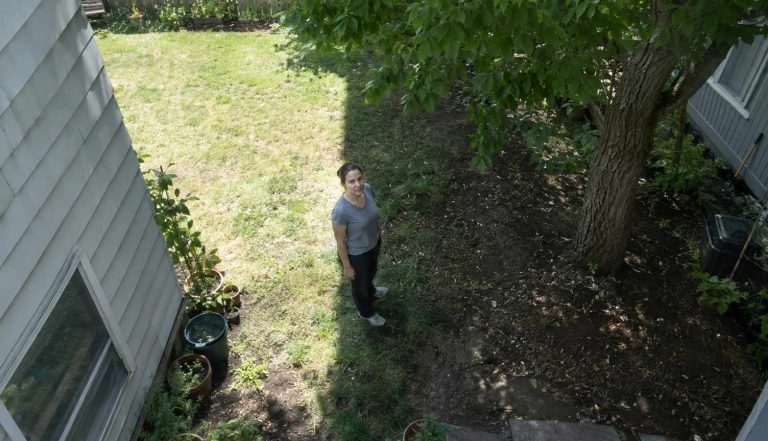
Full sun means six hours or more of direct sunlight a day. That number is settled.
Below six hours, the terms on a plant tag stop agreeing with each other.
NC State Extension puts partial sun and light shade at four to six hours of direct sun. Partial shade is two to four hours, and full shade is less than one hour a day.
UC Master Gardeners in Placer County draw the lines elsewhere. They put shade at less than two hours, and treat partial sun and partial shade as roughly three to six hours between them.
Neither service is wrong, because there is no standard to be wrong about.
UC’s guide says it outright. Accredited standard definitions of sunny and shady do not exist, which does not stop growers and nurseries using the terms freely.
So the tag hands you a band, not a measurement.
The number that decides whether a plant works is the one your own spot produces.
The hours, as the two guides state them
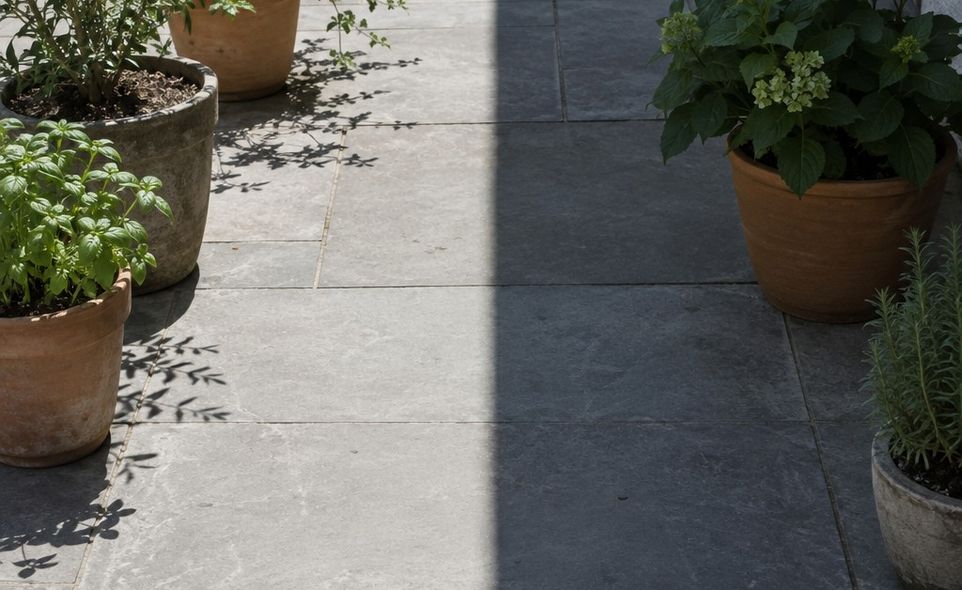
- Full sun. Six or more hours of direct, unfiltered sunlight per day. Both guides agree here, and this is the one figure you can treat as standard.
- Partial sun or light shade. Four to six hours, says NC State. UC’s range for partial sun runs from about three.
- Partial shade. Two to four hours, says NC State, with shelter from the hottest part of the day.
- Full shade. Less than one hour of direct sun, says NC State. UC puts its shade line at less than two.
- Dense shade. No direct sun and very little indirect light, per NC State.
Read the overlap as a band rather than a threshold. A spot that gives four hours sits inside both guides’ middle category, and that is the honest answer.
Only direct sun counts. Bright shade under a tree can feel dazzling at noon and still be part shade by either definition.
How to read your own spot in one day
You do not need equipment for this, and you do not need a full week.
Pick a day you are home. Look at the spot every hour or two and write down whether it is in direct sun at that moment.
- Morning, mid-morning, midday, mid-afternoon, late afternoon. Five looks are enough to see the shape of it.
- Add the sunlit checks together once you have them all.
- Do it once more in a different season if the spot sits under a tree.
The hours do not have to run back to back. UC’s guide is explicit about it: four hours in the morning, shade at midday and four more in the afternoon still counts as full sun.
That one line settles most balcony arguments. A spot that loses the sun for two hours in the middle of the day has not lost its rating.
Morning sun and afternoon sun are not the same six hours
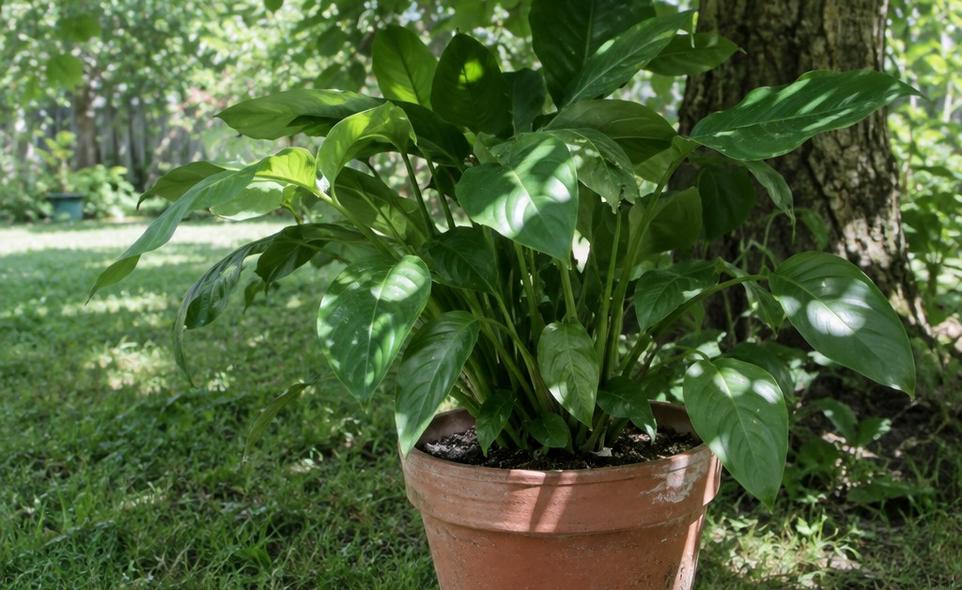
Two spots can both hit six hours and behave differently, which is the part tags rarely mention.
NC State says it plainly.
Afternoon sun is hotter and more intense than morning sun so for some plants it matters when they are receiving that light.
Plants that lean towards shade do best with their direct sun in the morning rather than the afternoon.
A west-facing wall and an east-facing one can both read as full sun and grow very different things. Count the hours first, then note when they fall.
This is also why a plant can scorch in a spot that matched its tag exactly. The hours were right and the timing was not.
What to do when your spot and the tag disagree
Nothing dramatic. A spot that comes in under the tag is worth knowing about before you plant, not after.
- Under by an hour or two. Try it, and expect fewer flowers or slower growth rather than a dead plant.
- Under by half. Pick something else. A full-sun plant in two hours of light stays alive and does very little.
- Over, with hot afternoon sun. Shade from a nearby building or tree at midday is what NC State describes for the more sensitive plants.
A spot that falls short is a planting decision, not a problem to fix.
Tags carry more than light, and the rest of the label deserves the same suspicion. The hardiness zone printed beside it is a narrower claim than most people read it as.
For a genuinely hot exposure, the answer is usually plant choice rather than shade cloth. That makes the vegetables that handle real summer heat a sensible place to start.
NC State also points readers at its own Extension Gardener Plant Toolbox. Plants there can be filtered by site conditions rather than by four words on a tag.
Spend one day counting, and the tag stops being a guess.
It becomes a number you can check.