
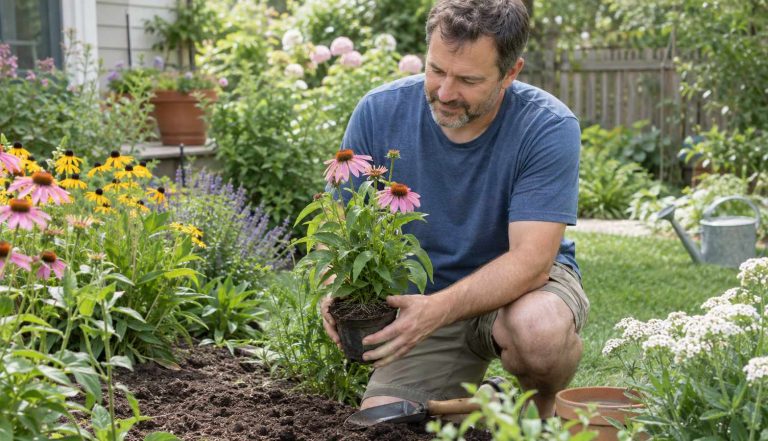
A hardiness zone number is not a weather forecast.
It will not tell you when your last frost usually falls, how hot your July gets, or how much rain lands in an average year.
It measures exactly one thing: how cold your coldest winter night tends to get, on average, over a long stretch of years.
Once you know that, some of the more confusing gardening advice starts to make sense.
What the zone number actually measures
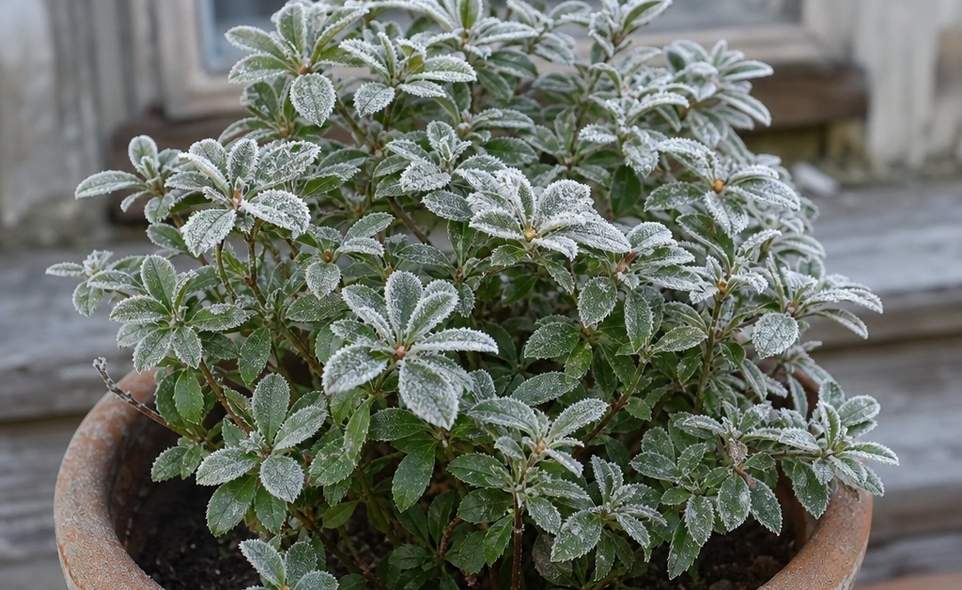
The USDA, the US government’s agriculture department, created plant hardiness zones to track a single figure. It is called the average annual extreme minimum temperature, calculated at a given location over a period of 30 years.
The current map draws on weather station data collected between 1991 and 2020.
There are 13 zones across the United States and its territories. Each one splits into two halves, labeled A and B, so zone 7 becomes 7a and 7b.
About 80 million American gardeners and growers are the map’s most frequent users. The USDA Risk Management Agency also refers to the zones when it sets certain crop insurance standards.
The number is an average, not a record of any single night. It does not tell you how cold it has ever gotten where you live, or how cold it ever will get again.
It only tells you the typical low, worked out across thirty years of winters.
What the zone number does not tell you
A shared zone tells you almost nothing else.
It says nothing about:
- How hot your summers run
- How much rain falls, or when it arrives
- Humidity through the growing season
- What kind of soil you are working with
- How long a cold snap actually lasts once it starts
Two towns in the same zone can garden completely differently. One might bake through a dry summer. The other might stay warm and damp the whole season.
A matching zone number means a matching coldest night. Nothing more than that.
Why cold damage can start above freezing
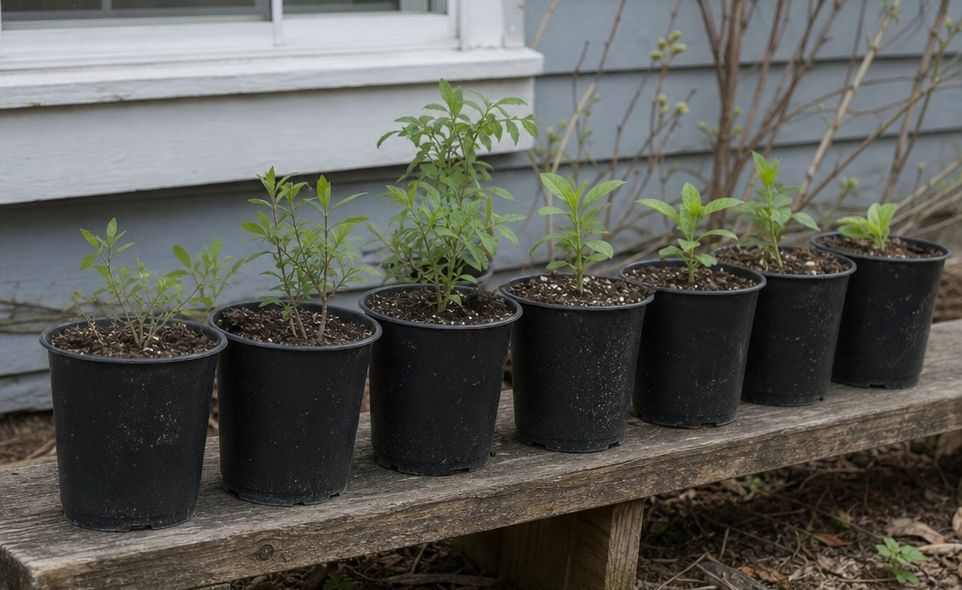
Freezing is not where cold damage begins for every plant.
Tropical plants and summer annuals never toughen up the way cold hardy plants do. Many of them suffer chilling injury at temperatures below 50 degrees Fahrenheit, well above the freezing line.
Subtropical plants are different. Given time to adjust, they can acclimate and survive an actual freeze. A properly hardened temperate plant can handle cold well below freezing without much trouble.
A plant can be hurt on a night your zone number would call unremarkable.
Recently planted, unestablished plants carry the most risk of all. They have not had a season to settle in yet.
Cold nights are not all the same kind of cold, either. Extension researchers describe two patterns:
- Radiational freezes, which build on calm, clear nights as heat radiates off plant surfaces into the air
- Advective freezes, which arrive when a cold air mass sweeps down quickly from the north
Your zone number cannot tell you which kind of night is heading your way.
What the 2023 map update changed, and what it did not
The USDA updated its hardiness zone map in 2023, replacing the version from 2012.
About half the country shifted into the next warmer half zone. The other half stayed exactly where it was.
That warming shift is not, by itself, evidence of a changing climate. The USDA says so directly. A single year’s extreme minimum temperature swings around too much for one map update to prove a trend on its own.
The new map simply reflects thirty years of measurements, recalculated with more recent data.
Where zones did move, the shift amounted to somewhere between 0 and 5 degrees Fahrenheit warmer.
If your zone changed, it is worth taking that calmly. It means your average coldest night nudged up slightly. It does not rewrite everything else about your garden.
What to check alongside your zone number
Your zone tells you what might survive a typical winter. It does not tell you when to plant, or what your summer will actually be like.
Two other things fill in that picture:
- Your own local frost dates, both first and last
- Your state’s Cooperative Extension office, for advice tuned to your specific county
One of the publications behind the chilling injury figures above comes from Florida’s Extension service. Extension offices exist in every state, and most publish exactly this kind of practical, local detail.
Pairing your zone with real frost dates matters most when you are planning a low-maintenance garden. It still has to survive your area’s actual winter lows.
The zone number is worth knowing.
It matters again if you are working from a list of forgiving beginner plants. A plant that handles cold in one zone can still struggle through an unusually sharp snap somewhere else.
Spring bulbs depend on winter too: in a warm zone, tulip bulbs are bought pre-chilled, because tulips need a long cold spell to flower.
The same goes if you are choosing from a calmer, low-fuss plant list: an easy plant is not automatically a cold hardy one.
You do not need to overhaul anything to check this.
The zone number is worth knowing. It is just not the whole picture, and it was never meant to be.
Look up your own zone if you have not already. Then find your state’s Cooperative Extension office and see what it says about frost dates in your county. That is the pairing the number was always meant to sit inside.